

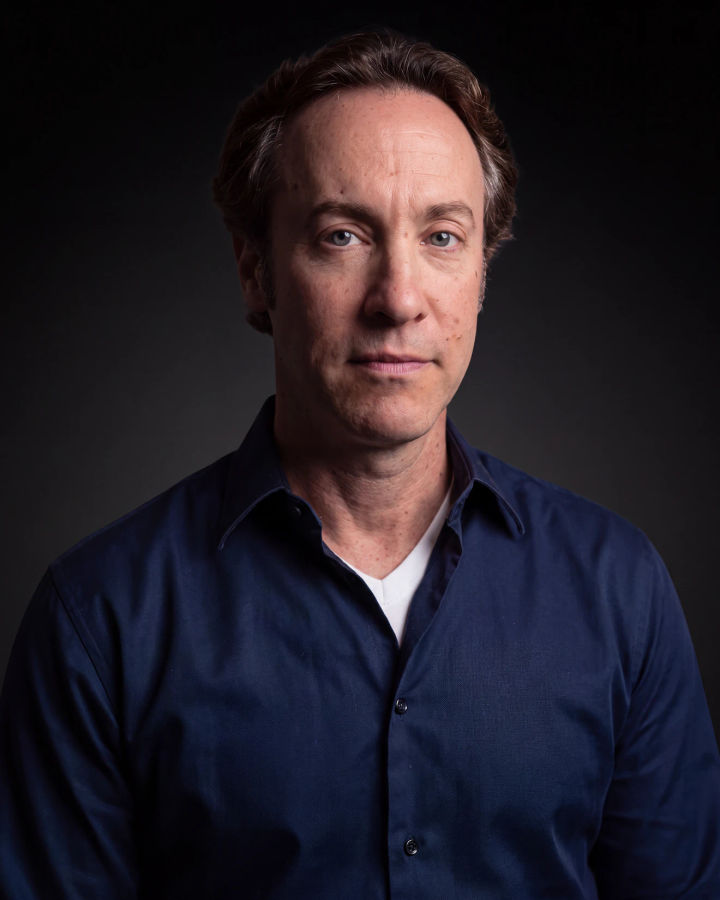
Dr. David Eagleman
Neuroscientist
Stanford University


The world’s greatest ideas
Everything a university should teach—but no longer does.850+ lectures. The finest professors. No debt. No ideology.Ten times the quality. One percent of the price.
FACULTY DRAWN FROM
FACULTY DRAWN FROM
FACULTY DRAWN FROM
THE COURSES
114 courses. 883 lectures.
THE FACULTY
A comprehensive range of disciplines: psychology, philosophy, science, religion, history, humanities, mathematics, and social sciences.
Neuroscientist
Stanford University
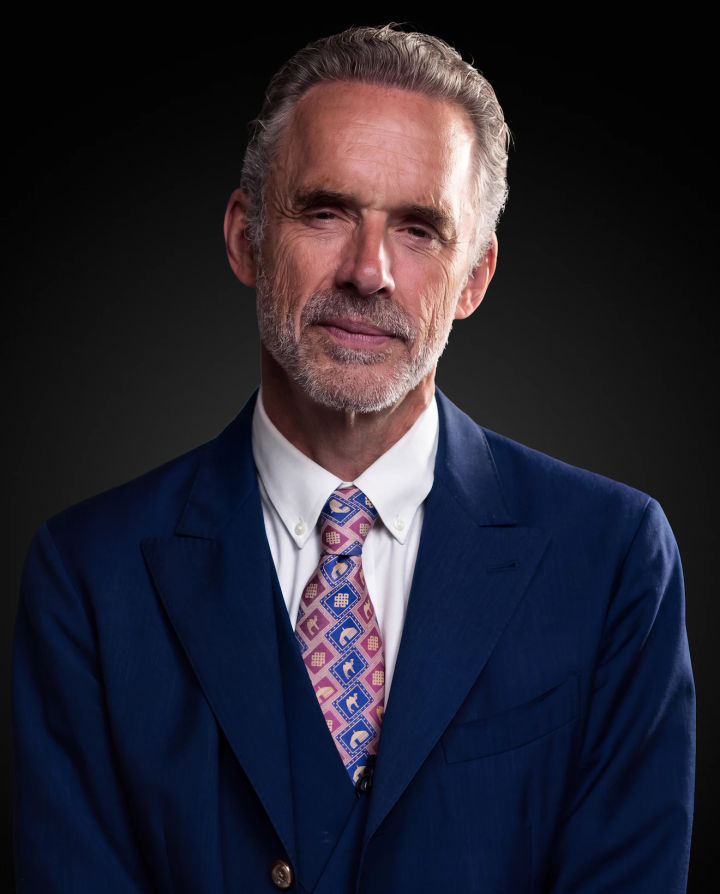
Professor of Psychology
University of Toronto · Emeritus
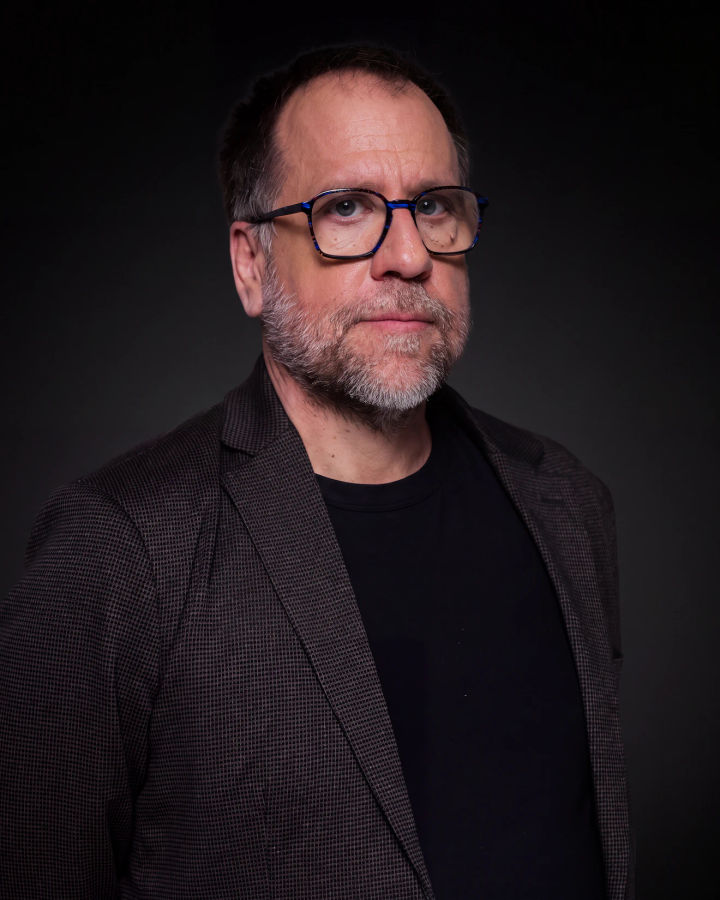
Cognitive Scientist
University of Toronto

Theologian
Mundelein Seminary · Former faculty
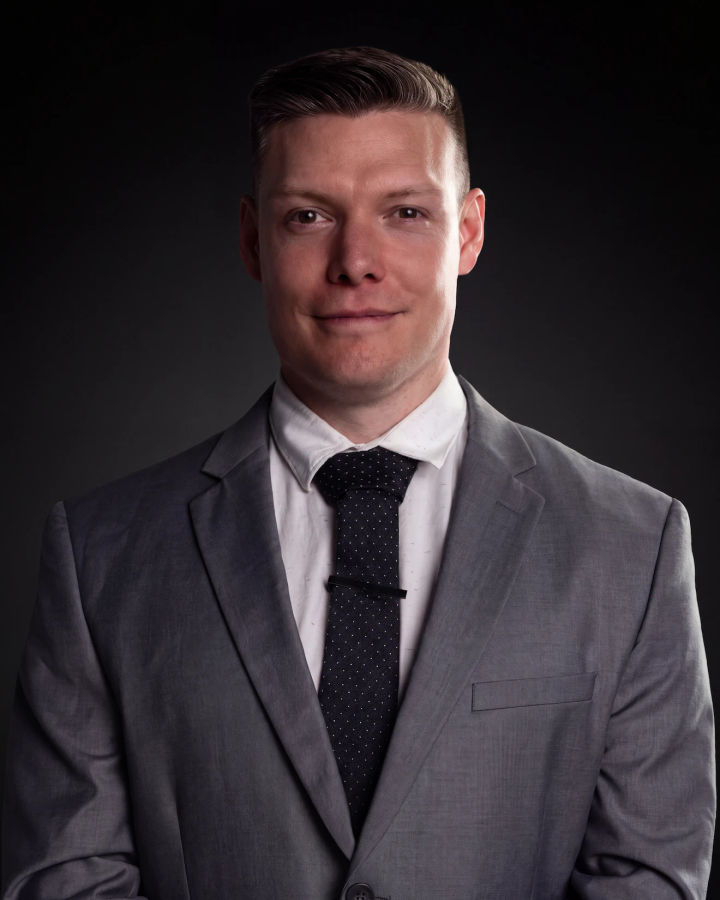
Biblical Scholar
Apologetics Canada

Neuroscientist
Harvard University
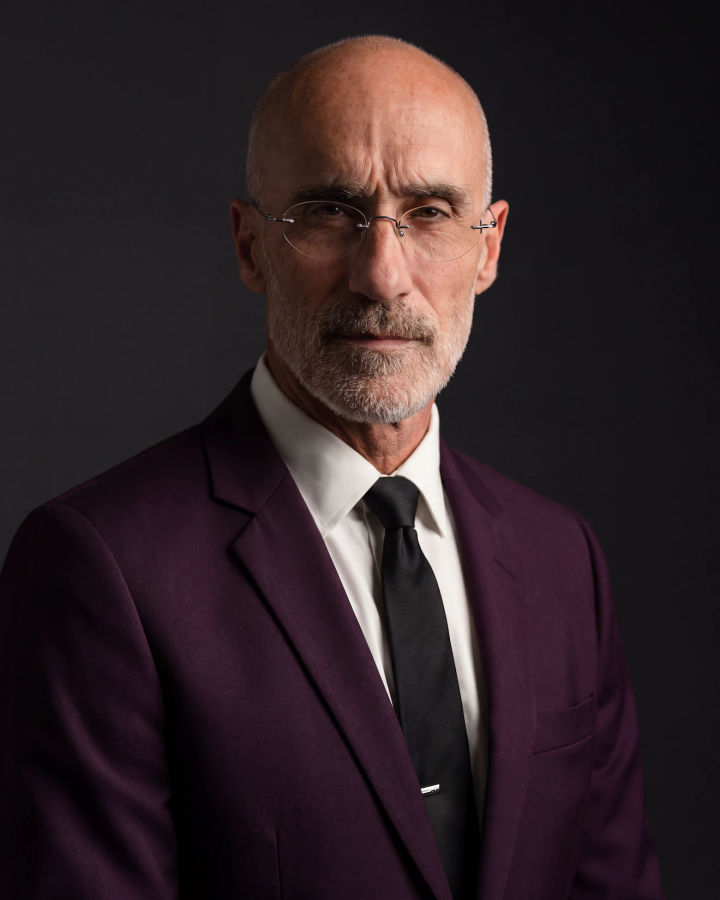
Social Scientist
Vanderbilt University
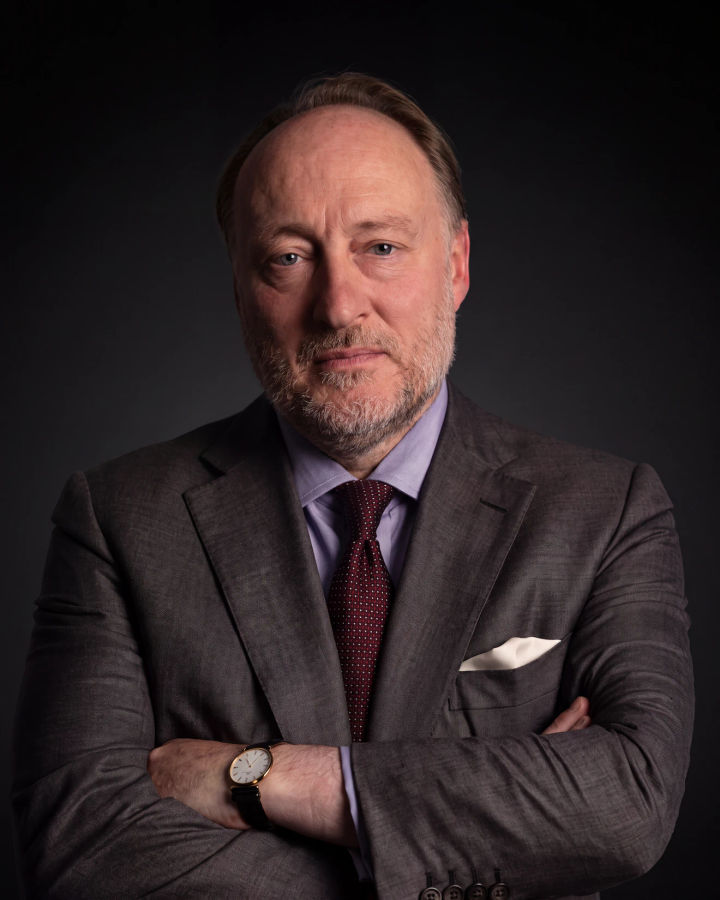
Historian
King’s College London
THE FEATURES
A better way to learn.
When does intuition help us make a moral judgment—and when should we question it?

One idea I’m taking into the week: make the next step small enough that you’ll actually take it. What stood out to you?

I’m revisiting the difference between a valid argument and a true conclusion. Comparing examples made it click.

The lecture on black holes left me with a page of questions. Anyone else going back for a second watch?

YOUR PATH
Eight semesters of core courses and electives.
Year 1


Year 2


Year 3


Year 4


Your progress. Made visible.
“The best place I’ve had the privilege to teach”
“For those seeking a real education—serious scholarship, clear reasoning, and intellectual independence—Peterson Academy is building it without the debt trap.”
“You gave me absolute intellectual autonomy.”
By delivering education entirely online with lectures from renowned professors, we eliminate the massive overhead costs of traditional universities, such as physical campuses, administrative bureaucracy, and non-academic amenities. This allows us to keep prices low while prioritizing investments in exceptional instructors and cutting-edge technology that enables high-quality, scalable learning for everyone.
We offer a full money-back guarantee for 7 days.
Your subscription will renew annually from the date of purchase.
Yes, there is a gifting option available at checkout.
Currently we have 58+ hours of content with Dr. Jordan B. Peterson that are on a wide range of social science, business, humanities and natural science topics. Each course is 8 hours long and we are adding new courses every month, covering a variety of subject areas from STEM to the arts. Make sure to check out our trailers for an overview of our current courses.
Dr. Peterson's "Maps of Meaning", "Nietzsche: How to Philosophize with a Hammer", "Personality and Its Transformations", "How to Plan Your Life", "The Sermon on the Mount", "Nietzsche: Further Down the Rabbit Hole" and "The Sacred and the Profane" courses are currently available with one more scheduled for release.
We are not currently accredited. We are pursuing accreditation in a number of jurisdictions. However, we are not willing to compromise the technical merits, originality or quality of our education to meet the requirements of any ideologically compromised “expert” body.
We will be rolling out Peterson Academy Certification in the coming months, which will show course grades and completion. We are collaborating with companies skeptical of the current academic credentialing system so that our students will be given careful consideration upon completing their Peterson Academy studies, in the upcoming months. Test taking and certification is entirely optional.
Our courses are created with a university-level audience in mind. However, a bright high school student would benefit from our courses, acknowledging that this content is meant for ages 18+, and people with no past education are also invited to attend. Anyone can learn. Each course differs in difficulty but we do have intro courses available for people who have no education in that discipline, as well as more advanced courses, with intro and advanced courses being released monthly.
You can watch on your computer, phone, tablet, Apple TV, or Roku, and you can AirPlay or Chromecast to your TV. Apps for Samsung and LG TVs are coming soon.
Yes. The Peterson Academy mobile app is now available for download.


Swipe up on the lecture in your mobile browser to enable picture-in-picture. Turn off the screen to listen for audio only.
Courses are available for download on the mobile app.
Yes.
We do offer an optional guided curriculum—designed to emulate a four year, eight semester university degree program—to help guide the way through our extensive course catalog.
Absolutely not. Quizzes are completely optional, and when we roll out other educational tools like essay writing, that will also be optional. You can easily use the platform to educate yourself, watch videos and socialize without testing.
If you choose to take the tests and exams, you can record your progress on your profile page. Use that information in the future to further your career, partnership opportunities and creative and entrepreneurial ventures.
production (1.578.0)

 Test your knowledge